Last verified: April 2026
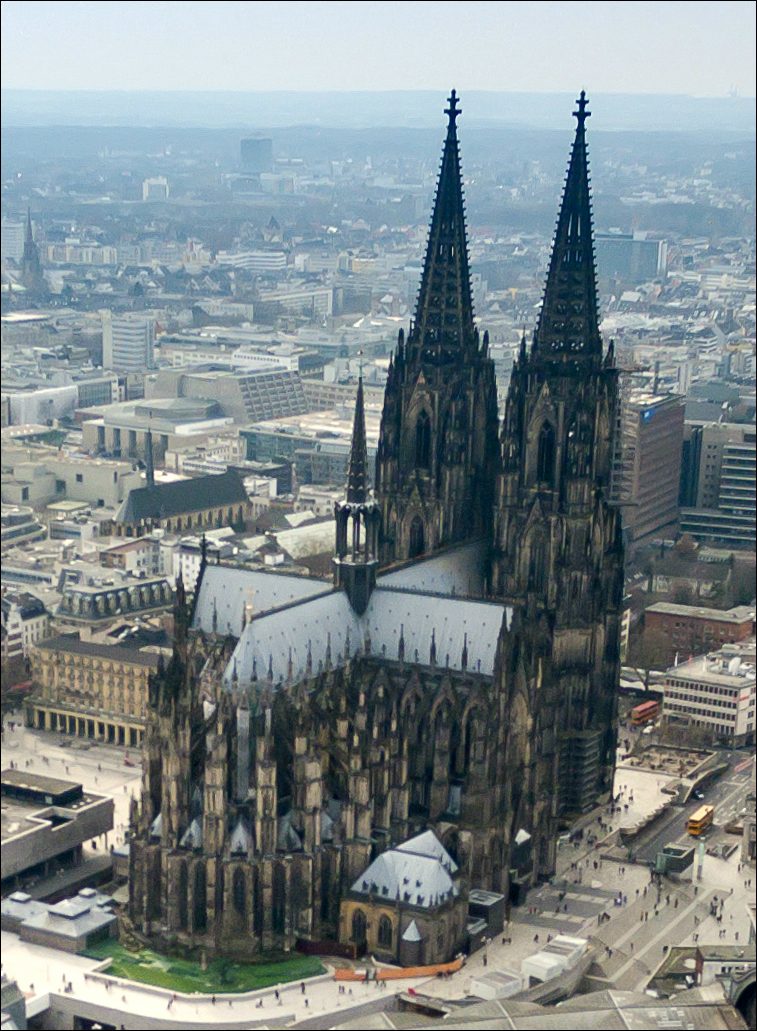
Cologne — Ehrenfeld & the Rhine Scene
Cologne is the cannabis capital of North Rhine-Westphalia, Germany’s most populous state and home to approximately 100 licensed social clubs — more than any other state.
Ehrenfeld is the neighborhood that matters. This former industrial district northwest of the city center has become Cologne’s creative and countercultural hub, and its cannabis infrastructure reflects that:
- The Herbalist — Ehrenfeld’s best-known cannabis accessory shop, catering to the neighborhood’s young, creative demographic.
- Greendog Growshop (Subbelrather Straße 146) — A dedicated cultivation supply store serving the home-grow community that has exploded since the 3-plant allowance took effect.
- Cannabis Club Cologne (Vogelsanger Straße 193) — One of the city’s most established social clubs, operating out of the Ehrenfeld area.
Beyond Ehrenfeld, InOne Headshop (Hahnenstraße 18, near Rudolfplatz) serves the city center, and Galactic has been a Cologne institution since 1989 — predating legalization by 35 years.
Cologne’s Karneval season (particularly the days around Rosenmontag) has always involved recreational substances, and cannabis now fits openly into that tradition.
Frankfurt — Finance Meets Cannabis
Frankfurt presents an unusual combination: Germany’s financial capital, home to the European Central Bank, with a well-established cannabis scene that predates legalization.
- 069 Cannabis Connection (Wächtersbacher Straße 82) — Named with Frankfurt’s area code, one of the city’s most active social clubs.
- Bembel Buds — A club offering approximately 40 strains, named with a nod to the traditional Hessian cider jug (Bembel). The playful name reflects a broader trend of German clubs rooting their identity in regional culture.
- Baron Social Club — Operating in Frankfurt’s more upscale segment.
- Haus des Cannabis — A community-oriented space combining club functions with education and advocacy.
The Bahnhofsviertel (train station quarter) is Frankfurt’s notorious open drug scene — but the drugs there are heroin, crack, and methamphetamine, not cannabis. This is one of Europe’s most visible hard-drug markets. Do not confuse it with cannabis culture, and exercise extreme caution if passing through.
Frankfurt is also home to Cantourage and Cansativa, two of Germany’s most important cannabis companies. The city’s financial infrastructure has made it the natural hub for cannabis industry capital. See our industry page for details.
University Towns
Germany’s university cities have traditionally had the most cannabis-tolerant cultures outside of Berlin, and legalization has amplified this dynamic.
- Freiburg — This Black Forest university city near the Swiss and French borders has some of the lowest street prices in Germany (€7–10 per gram) and a deeply liberal student culture. The Altstadt and Stühlinger neighborhoods are most open.
- Tübingen — Claims the highest student-to-resident density in Germany, and the campus culture reflects it. The old town’s bars and the Neckar riverbank are where consumption is most visible.
- Münster — A cycling-and-university city in North Rhine-Westphalia with active social clubs including Layf and Freya. Benefits from NRW’s relatively permissive regulatory environment.
- Heidelberg — Another classic university town with a young, international population and a corresponding tolerance for cannabis culture.
University towns offer a different experience than big cities: smaller, more walkable, with a higher concentration of young adults and a social scene built around cafés, parks, and student bars rather than clubs and lounges.
The Border Region
For decades, German cannabis consumers made the drive to Dutch coffeeshops near the border — Maastricht, Venlo, Enschede. German legalization is measurably changing this dynamic.
Dutch coffeeshop tourism from Germany is declining. The combination of legal home cultivation (3 plants), expanding social clubs, and 25-gram possession means fewer Germans need to cross the border. Highway patrols on the A1, A2, and A3 motorways — historically the enforcement chokepoint for returning cannabis consumers — have less to enforce, since possession of up to 25 grams is now legal on the German side.
However, crossing the border with cannabis remains illegal. German possession law does not extend to import. Bringing even a small amount from a Dutch coffeeshop back into Germany is still a criminal offense. The practical enforcement has softened, but the legal risk remains.
The Bottom Line
Germany’s cannabis culture extends far beyond Berlin. Cologne benefits from NRW’s 100+ clubs and a vibrant Ehrenfeld scene. Frankfurt combines financial-sector cannabis investment with an active club culture. University towns offer the most relaxed, affordable cannabis experiences in the country. And the border region is gradually shifting from Dutch dependency to domestic supply. For visitors staying outside Berlin, these cities offer genuine cannabis-friendly experiences without the capital’s intensity.
For in-depth cannabis education, dosing guides, safety information, and research summaries, visit our partner site TryCannabis.org
Related on this site: Cannabis in Berlin, Cannabis in Hamburg, Cannabis in Munich & Bavaria.