
Last verified: April 2026
The Federal Rules: 100-Meter Zones
The KCanG establishes nationwide consumption restrictions based on proximity to places where children and young people gather. These apply everywhere in Germany:
| Restricted Zone | Rule | Enforcement |
|---|---|---|
| Within 100m of schools | No consumption at any time | Measured from the property boundary |
| Within 100m of kindergartens | No consumption at any time | Includes daycare centers (Kindertagesstätten) |
| Within 100m of playgrounds | No consumption at any time | Public playgrounds (Spielplätze) |
| Within 100m of sports facilities | No consumption at any time | Public and accessible sports grounds |
| Pedestrian zones (Fußgängerzonen) | No consumption 7:00–20:00 | After 8pm consumption is permitted |
| Near minors | No consumption in the presence of anyone under 18 | Regardless of location |
| Public transport | No consumption on buses, trains, trams, or platforms | Includes S-Bahn, U-Bahn, regional trains |
| Social club premises | No on-site consumption | Members must take cannabis home |
The 100-meter rule is measured from the boundary of the facility, not its entrance. In dense urban areas like Berlin’s Kreuzberg or Hamburg’s Schanzenviertel, schools, playgrounds, and sports facilities can overlap to create large no-consumption corridors. In practice, enforcement focuses on obvious violations near schools and playgrounds rather than precise measurement.
The pedestrian zone restriction is time-based: 7am to 8pm. After 8pm, consumption in pedestrian zones is permitted under federal law. This creates a somewhat unusual dynamic where the same spot on the same street can be legal or illegal depending on the time of day.
Bavaria: The Exception That Proves the Rule
Bavaria, under Minister-President Markus Söder, has implemented the most aggressive interpretation of the Cannabis Act of any German state. Söder — who famously said Germans should “stick with beer” — has used every available mechanism to restrict cannabis within Bavaria’s borders:
- Beer gardens (Biergärten) — cannabis consumption banned, even outdoor ones
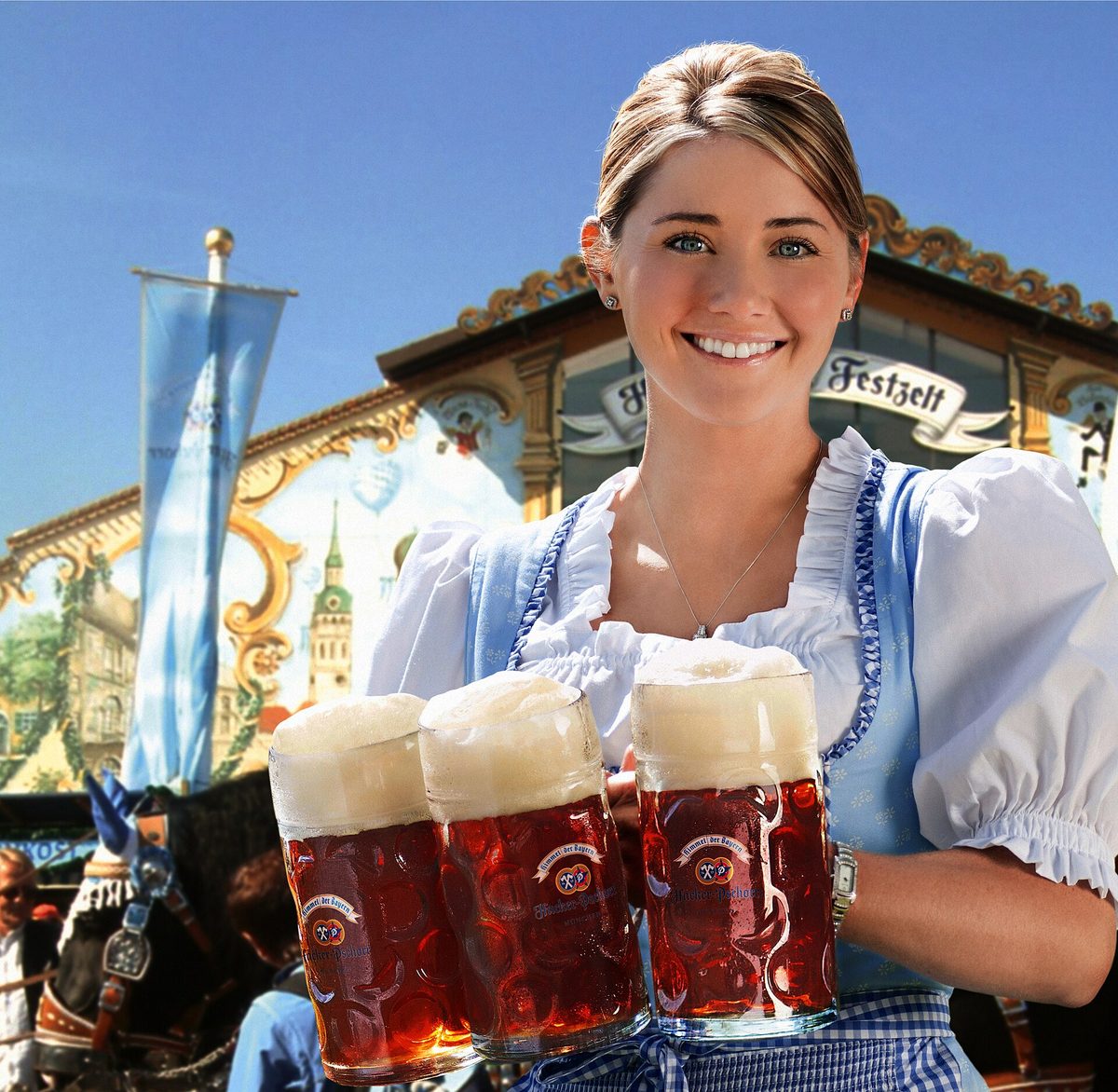
- Oktoberfest — complete cannabis prohibition on the Theresienwiese festival grounds
- Englischer Garten (Munich) — cannabis ban in one of Europe’s largest urban parks
- Municipal cannabis-free zones — Bavarian cities can designate additional no-consumption areas beyond federal requirements
- Festivals and public events — broad bans at public gatherings
Bavaria has also been the most aggressive state in terms of enforcement. Bavarian police have conducted possession checks, targeted social club applications with extensive zoning objections, and maintained undercover operations in areas known for cannabis use.
What earns a shrug in Berlin can earn a charge sheet in Munich. Bavaria has banned cannabis at beer gardens, Oktoberfest, the Englischer Garten, and numerous municipal zones. If you are visiting Bavaria, treat cannabis consumption as functionally restricted to private residences.
City-by-City Enforcement Variations
Beyond the federal rules and Bavaria’s additions, enforcement varies significantly between German cities:
Berlin is by far the most relaxed. Cannabis consumption in parks (Tiergarten, Volkspark Friedrichshain, Görlitzer Park), on sidewalks, and in outdoor social settings is widespread and rarely draws police attention outside the 100-meter zones. Berlin police have stated they will focus resources on actual trafficking rather than personal consumption.
Hamburg takes a pragmatic middle ground. Open consumption in the Schanzenviertel, St. Pauli, and along the Elbe is common and generally tolerated. The city enforces the 100-meter zones but does not go looking for violations beyond them.
Cologne has a relaxed approach similar to Berlin, with open consumption in the Ehrenfeld neighborhood and along the Rhine treated as normal. Düsseldorf, by contrast, has been somewhat more enforcement-minded despite being in the same state (North Rhine-Westphalia).
Frankfurt, Stuttgart, and other cities generally follow the federal rules without significant additions. Enforcement tends to focus on the restricted zones and visible use near schools or playgrounds.
Practical Tips for Consumption
Understanding the rules is one thing; navigating them daily is another. Some practical guidance:
- Parks are generally your safest bet — large urban parks away from playgrounds and sports facilities are the most common and least problematic places for outdoor consumption
- Check for playgrounds before lighting up — German parks frequently have play areas scattered throughout; walk 100+ meters away before consuming
- Evenings are more permissive — the pedestrian zone restriction lifts at 8pm, and children-related restrictions are less likely to apply after dark
- Private residences are always legal — consumption in your apartment, hotel room (if permitted by the hotel), or on a private balcony is unrestricted
- Be discreet in unfamiliar cities — if you do not know local enforcement patterns, start conservatively; a park bench away from crowds is always a safe choice
- Bavaria: just don’t — unless you are in a private residence, assume consumption is restricted or closely watched in Bavarian public spaces
For in-depth cannabis education, dosing guides, safety information, and research summaries, visit our partner site TryCannabis.org
Related on this site: The Cannabis Act (CanG), Cannabis Driving Laws in Germany, Is Cannabis Legal in Germany? Yes.