Last verified: April 2026
The Major Players
Germany’s cannabis industry is dominated by a handful of companies that have positioned themselves to control different parts of the value chain.
Tilray / CC Pharma is arguably the most powerful cannabis entity in Germany. CC Pharma, which Tilray acquired, is the 6th largest pharmaceutical distributor in the country, serving over 13,000 pharmacies. This existing infrastructure gives Tilray unmatched reach into the pharmacy channel that remains the only legal retail point for medical cannabis. CC Pharma was recognized as a TOP 100 innovator in February 2026, reflecting its integration of cannabis into mainstream pharmaceutical distribution.
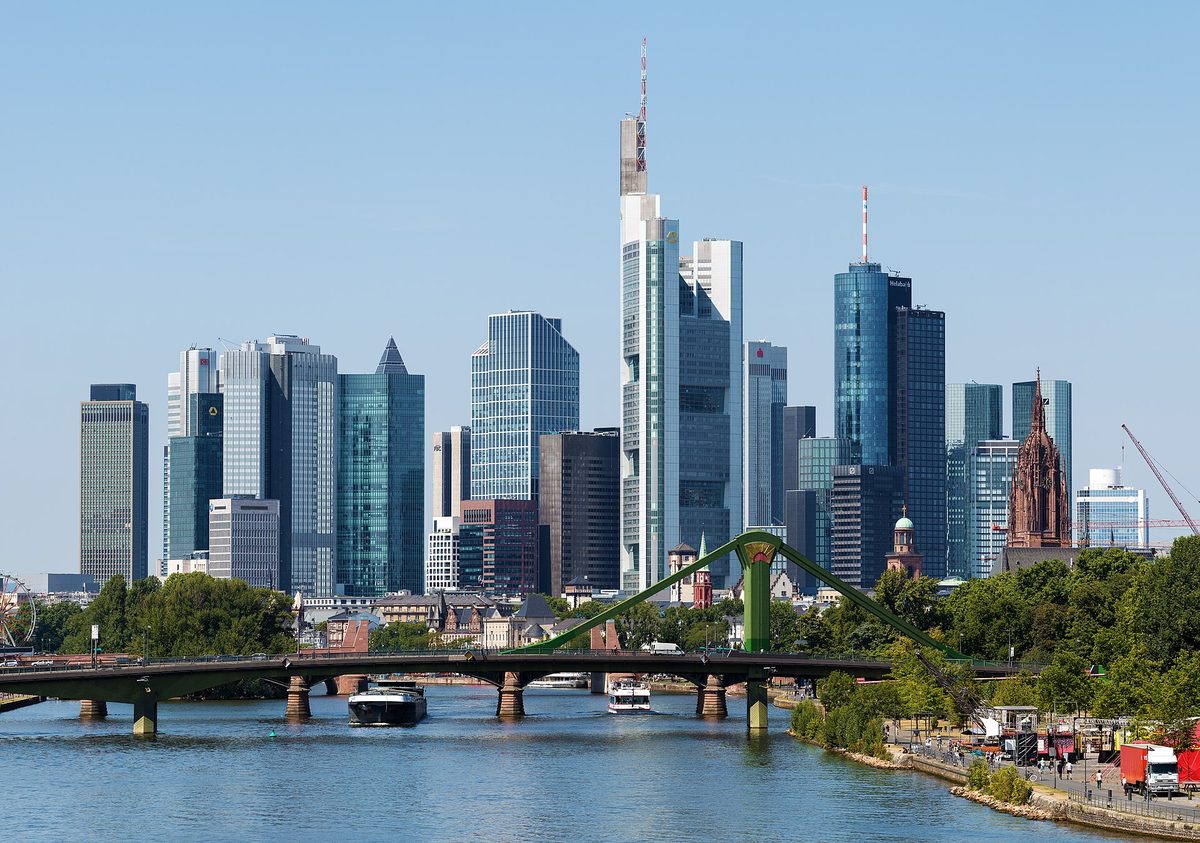
Cantourage, based in Frankfurt, operates the HIGH platform — a marketplace connecting international growers with the German medical market. The company reported €51.4 million in 2024 revenue and was on an €87 million annual pace by early 2025. Cantourage works with over 60 growers across 18 countries, making it the most internationally connected German cannabis company. It is publicly listed, providing rare transparency in a sector dominated by private companies.
Demecan operates out of a converted slaughterhouse in Dresden — one of the more evocative facility transformations in the industry. As one of only three companies that held German domestic cultivation licenses before legalization, Demecan has invested heavily in premium products, including Live Rosin DEMECAN FE 800, a concentrate that represents the high end of German cannabis production.
Sanity Group has taken the most aggressive growth trajectory. The company scaled from €9 million to €60 million in revenue and attracted celebrity investors including Snoop Dogg, will.i.am, and Mario Götze (the footballer who scored Germany’s 2014 World Cup winning goal). In 2025, Canadian producer Organigram announced a €250 million acquisition of Sanity Group, and British American Tobacco (BAT) invested €65 million. This is big-money cannabis entering Germany.
Cansativa, based in Frankfurt, holds the distinction of being the exclusive distributor for BLE (Bundesanstalt für Landwirtschaft und Ernährung — the Federal Agency for Agriculture and Food), which oversees domestic cannabis cultivation licensing. This gives Cansativa a unique regulatory position in the German market.
SynBiotic SE, headquartered in Munich, is a publicly listed holding company with subsidiaries including Hempamed (CBD products) and Hanf Farm (industrial hemp). The company represents the diversified approach — spanning CBD, medical cannabis, and hemp agriculture.
Market Size & Projections
Germany’s legal cannabis market is currently valued at approximately €1.2 billion, making it the largest in Europe and one of the largest in the world outside North America.
Projections for the German market vary widely depending on assumptions about future retail legalization and EU developments:
- Conservative estimates: $4.6 billion by 2030, assuming the current social-club-only model persists
- Aggressive estimates: $9.66 billion if commercial retail (Pillar 2) is eventually implemented
The range reflects the fundamental uncertainty: Germany’s current model deliberately limits commercial activity, but the pressure to open retail — from industry, from tax revenue potential, and from the practical failure of the no-retail approach to eliminate the black market — is significant and growing.
CBD & Seeds
Two adjacent markets operate under clearer legal frameworks:
- CBD products are legal in Germany when they contain less than 0.2% THC. This is stricter than the US (0.3%) and some other EU countries. The CBD market includes oils, topicals, flowers, and edibles, sold through dedicated shops, pharmacies, and online retailers.
- Cannabis seeds are legal to sell and possess. This has been true since before legalization (seeds contain no THC), but the Cannabis Act’s 3-plant home cultivation allowance has dramatically expanded the seed market. Seeds are available from head shops, online retailers, and some specialized garden centers.
Import Dynamics
Germany imports 142 tonnes of medical cannabis annually, primarily from Canada (47%) and Portugal (30%). Domestic cultivation remains limited — only three companies held pre-legalization cultivation licenses, and the social club system is designed for small-scale, non-commercial growing.
This import dependency has created a supply chain that is both a strength (access to global genetics and quality) and a vulnerability (regulatory changes in source countries, shipping delays, and price sensitivity to exchange rates). The industry is lobbying for expanded domestic cultivation licenses, which would reduce import dependency and create German agricultural jobs.
The Bottom Line
Germany’s cannabis industry is the most significant in Europe and is attracting serious capital. Tilray’s pharmaceutical distribution network, Cantourage’s international platform, Sanity Group’s celebrity-backed acquisition trajectory, and Demecan’s domestic cultivation all represent different bets on how the market will develop. The €1.2 billion current valuation is just the beginning — the question is whether Germany opens commercial retail and unlocks the multi-billion-dollar projections, or whether the social club model constrains growth to a fraction of its potential.
For in-depth cannabis education, dosing guides, safety information, and research summaries, visit our partner site TryCannabis.org
Related on this site: Germany vs. Amsterdam, Barcelona, US..., German Cannabis History, Send a Message.